Fall Running Tips: A Realistic Guide for Stronger Miles
Who doesn’t love fall running tips? There’s something about that first truly cool morning that makes us want to lace up our running shoes and head outside. The humidity finally breaks, the leaves start changing, and suddenly those summer miles feel a little less exhausting. But fall also brings darker mornings, packed schedules, unpredictable temperatures, and the temptation to stay under the blankets just a little longer.
That’s where a few realistic fall running tips can make all the difference.
Fall doesn’t have to mean starting a brand-new training plan or chasing a PR. Maybe you’re training for a half marathon or 10-miler. Maybe you’re rebuilding consistency after summer. Or maybe running is simply the hour each week when nobody needs anything from you.
Whatever brings us outside, fall is an opportunity to settle into a rhythm that feels sustainable rather than perfect.
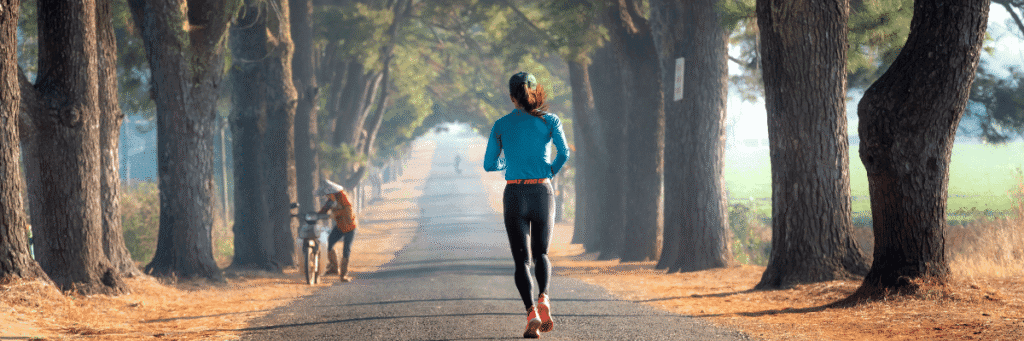
Fall Running Tips for Cooler, Darker Miles
One of the biggest adjustments in fall running is figuring out what to wear. A 48-degree morning can feel freezing when you walk outside—and surprisingly warm ten minutes into your run.
Instead of dressing for the first five minutes, dress for how you’ll feel once your body warms up. Lightweight layers are usually more comfortable than one heavy piece. A moisture-wicking long sleeve, running vest, light gloves, or headband can easily be removed or adjusted as temperatures change.
We’ve been loving the rabbit EZ Tee Long Sleeve as an option for those in-between mornings when a tank feels too chilly but a heavy layer is overkill. Soft, breathable pieces like this solve one of fall running’s most annoying problems: overheating halfway through a run because you dressed for standing outside instead of actually running.
Fit matters, too. Your fall running gear should let you move without constantly tugging, adjusting, or thinking about it. The best running clothes are often the ones you forget you’re wearing.
And as daylight starts disappearing, visibility becomes part of getting dressed. Reflective clothing, a headlamp, and well-lit routes become increasingly important for early-morning and evening runners. Tell someone where you’re going when running alone, keep your phone accessible, and don’t let a training plan convince you that an isolated route in the dark is necessary.
We want adventure—but we want to come home safely from it, too.
Build a Fall Running Routine That Fits Real Life
Second on our fall running tips list is creating a routine. Fall calendars fill quickly. School schedules change. Work gets busy. Weekends suddenly include football games, fall festivals, family plans, races, and everything else we somehow agreed to.
Consistency becomes much easier when running fits into our lives instead of competing with them.
Rather than deciding that every run needs to be five miles or every workout needs to happen before sunrise, create a few versions of success. Your ideal weekday run might be 45 minutes. Your busy-day version might be 25. Both count.
Three thoughtful runs during a busy week can be more valuable than forcing five workouts and feeling exhausted by Friday.
If you’re returning after some time away, explore our guide to how to get back into running and give yourself permission to rebuild gradually. And if motivation tends to disappear once mornings get darker, we dive deeper into this in our running motivation guide.
For runners training toward a fall race, this flexibility matters even more. Protect the workouts that matter most—often a long run and one quality session—and allow the rest of the week to adjust around real life.
Fitness isn’t lost because Tuesday didn’t go according to plan.
Make Safety and Confidence Part of Your Training
Running confidence isn’t always about pace. Sometimes it’s knowing you can handle a route by yourself, adapt when the weather changes, or finish a few hilly miles without worrying about what your watch says.
Fall is a great season to build that kind of confidence.
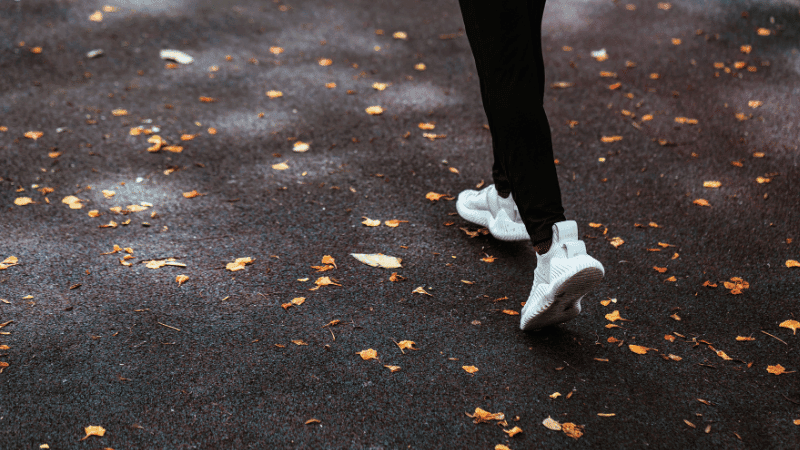
Choose familiar routes for darker runs and save new trails or unfamiliar roads for daylight. Pay attention to fallen leaves, which can hide roots, potholes, slick pavement, and uneven terrain. After rain, assume those beautiful leaves are considerably more slippery than they look.
For low-light miles, the Knuckle Lights Original Running Lights are worth considering. Rather than wearing a traditional headlamp, you carry the lights on your hands, which can feel more natural for runners who dislike having something strapped around their forehead. They’re also an easy addition when your after-work run suddenly starts finishing in the dark.
Confidence can also come from community. Invite a friend for a Saturday morning run. Join a local running group. Sign up for a neighborhood 5K even if you have no intention of racing it.
There’s something powerful about seeing other women outside doing the same thing—not necessarily at the same pace or for the same reason, but making space for movement in lives that are already full.
That shared experience reminds us that we belong here, too.
Let Recovery Become Part of the Fall Ritual
Fall running doesn’t have to end when your watch stops.
One of our favorite parts of cooler-weather running is everything that comes afterward: changing into a sweatshirt, making coffee, eating something warm, stretching while the house slowly wakes up.
Those little rituals can make consistency easier because running becomes part of a lifestyle rather than another task to check off.
After longer or harder runs, prioritize hydration, carbohydrates, protein, and actual rest. A few minutes of mobility later in the day can also help keep stiff legs from becoming your permanent fall accessory.
For busy mornings, the Fellow Carter Move Mug is a practical lifestyle pick. Make your coffee before heading out, leave it waiting at home, and you have a warm post-run reward ready to go. It’s a small thing, but sometimes small routines are exactly what make an active lifestyle sustainable.
If you’re increasing mileage for a fall event, explore our guide for fueling during training for more ways to fuel your body handle the added training.
And remember that recovery isn’t something we earn only after a hard workout. Sleep, nourishing meals, mobility, easy walks, and true rest days are all part of becoming a stronger runner.
Chase the Season, Not Perfection
There are only so many crisp Saturday mornings each year.
Use them.
Take the trail instead of your usual neighborhood loop. Run to your favorite coffee shop. Meet a friend for three easy miles and stay for breakfast. Bring the kids along on bikes. Stop your watch for the ridiculous orange sunrise.
The best fall running tips aren’t necessarily about getting faster. They’re about making running something we actually want to keep doing.
Some weeks will include long runs and perfectly executed workouts. Others will include twenty-minute runs squeezed between work, dinner, and everything else. Both belong in an active life.
At Timber & Tides, we’re drawn to the kind of adventure that fits into real life—the miles before work, the weekend trail, the coffee afterward, the race we trained months for, and the spontaneous run we almost talked ourselves out of.
So as the temperatures drop, don’t worry about creating the perfect fall running season.
Build one you’ll remember.
What makes you most excited to lace up and run during the fall?