Walking for Endurance: 6 Tips Made Simple
There are seasons when running feels heavy, motivation dips, or life simply asks us to slow down. Maybe you’re coming off a race, easing back into movement, or juggling work, family, and everything in between. This is where walking for endurance training quietly becomes one of the most powerful tools we have.
It’s often overlooked, but walking is not a step backward—it’s a strategy. A way to build strength, resilience, and consistency without burnout. And for many of us, it’s also where we reconnect with why we started moving outdoors in the first place.
Walking for endurance meets you exactly where you are, while still moving you forward.

Why Walking Builds Real Endurance
When we think about endurance, we often picture long runs or intense workouts. But true endurance is built over time, through consistent effort—and walking is one of the most sustainable ways to get there.
Walking allows us to:
- Strengthen our aerobic base without excessive strain
- Recover while still building fitness
- Improve joint stability and reduce injury risk
- Stay consistent during busy or high-stress seasons
For women especially, this matters. Hormones, stress, and lifestyle demands all impact how our bodies respond to training. Walking gives us a way to stay active without pushing into burnout.
If you’ve ever felt like you had to “go hard or not at all,” this is your reminder: steady counts. Walking for endurance can help you achieve your goals, and help work you through different phases of working out.
How to Use Walking for Endurance Training
The key to walking for endurance training is intention. We’re not just strolling—we’re building.
Here’s how to make your walks more effective:
- Pick Your Pace with Purpose
Aim for a brisk pace while walking for endurance, where you can still talk, but feel slightly challenged. Think “purposeful movement,” not casual wandering. - Add Time Before Speed
Instead of rushing to go faster, extend your time on your feet. Start with 30–45 minutes and gradually build to 60–90 minutes. - Use Terrain to Your Advantage
Hills are your best friend. Whether you’re outdoors or on a treadmill incline, they naturally increase intensity and build strength. - Incorporate Intervals
Try alternating 5 minutes brisk walking with 2 minutes slightly faster or uphill. This keeps your body adapting. - Stay Consistent Over Perfect
Two to four walks per week can make a noticeable difference. It’s about showing up regularly, not doing it perfectly.
If you’re building toward a race or longer adventure, walking can complement your training plan beautifully. It’s also a great way to stay active on recovery days.
For more structured routines, explore our guide to building sustainable outdoor fitness habits designed for real life.
Gear That Supports the Journey
Having the right gear can turn a walk from something you “get through” into something you genuinely look forward to.
Here are a few pieces worth investing in:
- HOKA Clifton Running Shoes: Known for their cushioning and support, they’re ideal for long-distance walking and reducing impact on joints.
- Lululemon Everywhere Belt Bag: Perfect for carrying essentials without weighing you down—keys, phone, hydration tabs, and more.
- Hydro Flask Lightweight Water Bottle: Staying hydrated is key, especially on longer walks or warmer days.
The goal isn’t to overcomplicate—it’s to feel comfortable, supported, and ready to go.
If you’re unsure where to start, discover gear designed for women who move between trails, sidewalks, and everything in between.
Making It Work for Your Life
One of the biggest barriers we hear is time. But walking — especially walking for endurance — is incredibly adaptable.
You can:
- Walk before the house wakes up
- Take a midday reset walk between meetings
- Bring your kids along in a stroller or on bikes
- Turn social time into walking dates with friends
It doesn’t have to look like a perfectly planned workout. It just has to happen.
Safety is also a real consideration, and one we don’t ignore. Choose well-lit routes, share your location when needed, and trust your instincts. Walking with a friend or local group can also add both safety and accountability.
If finding community feels intimidating, start small. Even one consistent walking partner can make a difference.
The Mental Shift That Changes Everything
Walking for endurance isn’t just about physical strength—it’s about building trust with yourself.
It’s choosing movement even when it’s not flashy.
It’s honoring your body instead of fighting it.
It’s finding rhythm in seasons that feel chaotic.
There’s something powerful about lacing up your shoes, stepping outside, and knowing that this counts.
Because it does.
And over time, these walks add up—to stronger legs, clearer minds, and a deeper connection to the outdoors.
What would it look like if you stopped underestimating the impact of your walks?
A Community That Moves Together
At Timber & Tides, we believe endurance isn’t built alone. It’s built in quiet mornings, shared miles, and small decisions made consistently.
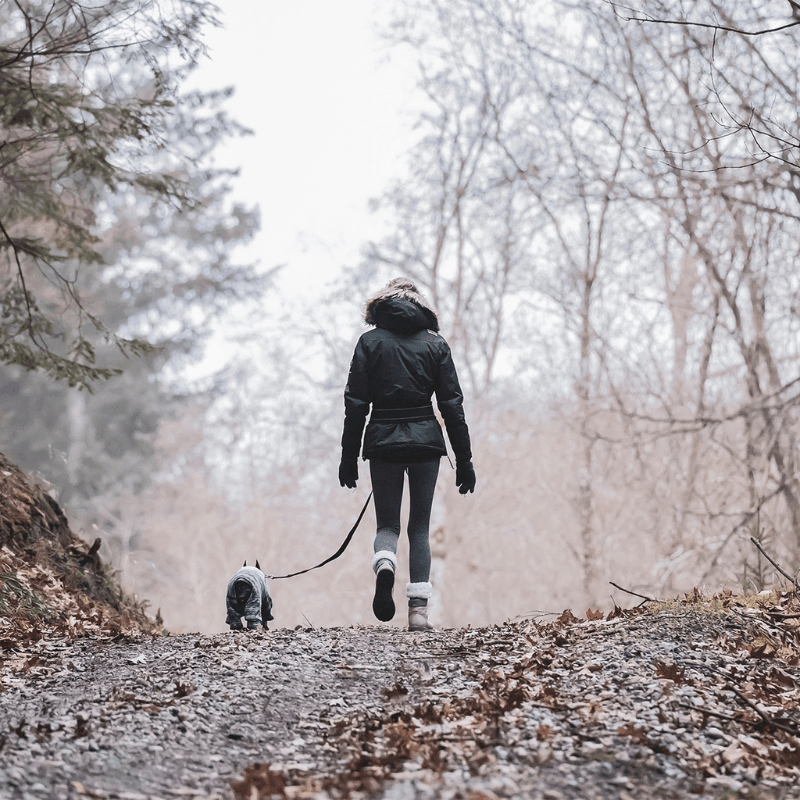
Whether you’re walking along the beach, through your neighborhood, or on a wooded trail, you’re part of a larger movement of women choosing to show up for themselves.
You don’t need to be the fastest. You don’t need to go the farthest. You just need to begin.
If you’re looking to build a routine that feels aligned and sustainable, explore our guide to outdoor movement for mental wellness or discover ways to create your own outdoor community.
Consistency is Key
Walking for endurance training is more than a tool—it’s an invitation. To slow down, to build strength with intention, and to create a routine that actually fits your life.
Start with one walk this week. Then another. Let it be simple, consistent, and yours.
And when you’re ready for more, we’re here—sharing stories, guides, and gear to support every step of your journey.
Explore more at Timber & Tides Collective and find your next outdoor rhythm with us.