What to Wear Hiking in Fall: A Simple Layering Guide
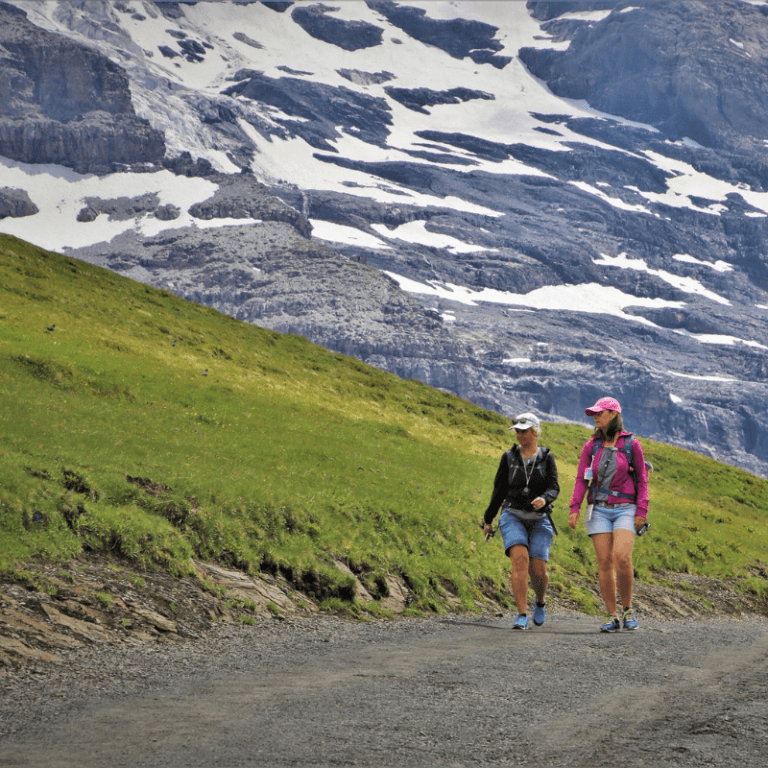
There is something about that first truly crisp morning that makes us want to grab a coffee, throw a pack in the car, and find a trail. Then comes the question: What exactly am I supposed to wear? Figuring out what to wear hiking in fall can feel surprisingly complicated when the morning starts at 45 degrees, the afternoon reaches 65, and the shady section of the trail somehow feels like an entirely different season.
We’ve got you covered for what to wear hiking in fall. The good news is that fall hiking doesn’t require a brand-new outdoor wardrobe. It requires a few thoughtful layers, comfortable footwear, and the freedom to adjust as the day changes.
Whether you’re squeezing in a two-hour hike before Saturday errands, meeting friends for a trail morning, or using hiking as cross-training during fall race season, here’s how to stay comfortable without overthinking it.
What to Wear Hiking in Fall: Start With Smart Layers
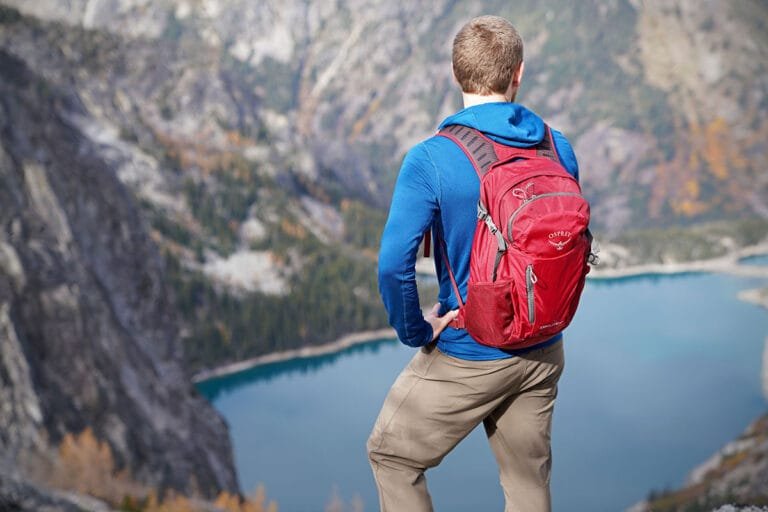
The most important rule when deciding what to wear hiking in fall is simple: dress in layers you can easily add or remove.
Start with a lightweight, moisture-wicking shirt rather than a heavy sweatshirt. You might feel chilly standing at the trailhead, but once you’re climbing, your body temperature can change quickly. A base layer that manages moisture helps keep that inevitable sweat from turning into a cold, damp shirt when you stop.
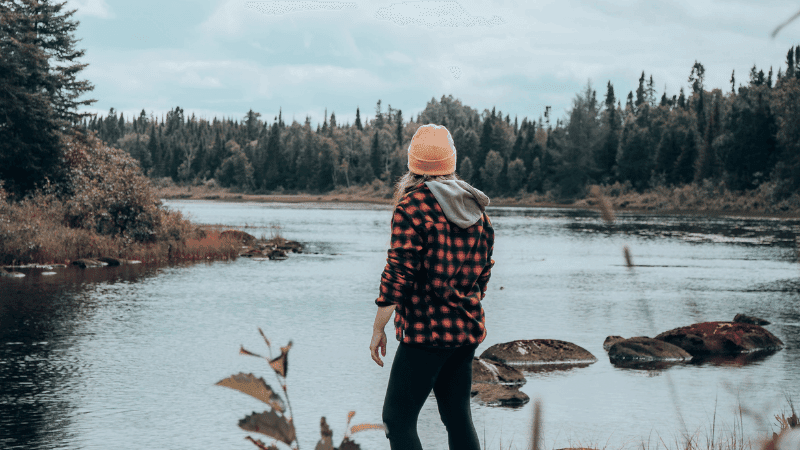
For cooler mornings, the Kari Traa Fryd Long-Sleeve Base Layer Top is a great option. It’s lightweight and moisture-wicking, making it easier to build warmth without starting the hike bundled in something bulky. We especially like pieces like this because they can cross over into running, walking, travel, or everyday outdoor workouts instead of becoming “hiking-only” clothing.
Over your base, add a fleece, quarter-zip, or light insulating layer. KÜHL’s Ribbed 1/4 Zip Women’s Fleece is another option we’ve been loving for this type of versatile layering. Their fleeces are designed to provide warmth while still allowing movement—exactly what we want from something that might go from the trail to a post-hike coffee stop.
Finally, pack a lightweight rain or wind shell if conditions call for it. You don’t necessarily need to wear it when you start. Think of it as insurance against the weather changing halfway through your hike.
If you’re rebuilding your hiking routine this season, explore our guide to how to get back into hiking for an easy way to start again without putting pressure on mileage or difficulty.
Build From the Bottom Up for Comfort
Fall hiking outfits aren’t just about cute fleece layers. Your pants, socks, and shoes can make the difference between enjoying five miles and wondering why you ever agreed to leave the house.
Choose hiking pants, leggings, or trail tights that let you move freely. Before committing to them for a longer hike, squat, step up onto a chair or bench, and lift your knees. If the waistband digs in, the knees feel restrictive, or you’re already adjusting the fabric, those problems probably won’t improve three miles into the woods.
The same goes for footwear.
Wet leaves, mud, exposed roots, and early frost can make fall trails surprisingly slick. The Oboz Sawtooth X Low Waterproof is worth considering if you prefer the feel of a lower hiking shoe rather than a traditional boot. Its waterproof construction and trail-focused traction can be especially useful when autumn conditions turn muddy.
Whatever shoe you choose, fit matters more than the logo. Your toes need room, your heel shouldn’t constantly lift, and nothing should rub when walking downhill. Wear new hiking shoes around home and on shorter walks before taking them on a longer trail.
We dive deeper into seasonal trail preparation in our fall hiking tips guide, including changing daylight, trail conditions, and other small adjustments that make autumn adventures safer.
Pack for the Weather You Might Get
When we’re deciding what to wear hiking in fall, we also need to think beyond the outfit we’re wearing when we leave the house.
Fall weather can change quickly, and daylight disappears earlier than it did during summer. Before heading out, check the hourly forecast—not just the day’s high temperature—and look at conditions around the actual trail area.
A few small extras can make a big difference: a dry pair of socks, light gloves or a beanie on colder days, a rain shell, water, a snack, and a small headlamp if there’s any chance you’ll be finishing later in the afternoon.
And don’t underestimate how much colder you can feel when you stop moving. If you’re planning a summit snack, family picnic, or long overlook break, having one warm layer tucked into your pack is worth the extra space.
For women hiking alone, or even as part of a group, tell someone where you’re going and when you expect to return. Download your trail map ahead of time when possible, especially if cell service is questionable.
Knowing you’re prepared creates a different kind of confidence. Instead of worrying about every possibility, you can actually pay attention to the leaves, conversation, views, and experience happening around you.
Make the Adventure Fit Your Real Life
The best answer to what to wear hiking in fall is ultimately whatever keeps you comfortable enough to keep getting outside.
Not every hike needs to be an all-day adventure. Maybe it’s three miles before brunch. Maybe the kids come along. Maybe you’re deep into half-marathon training and Sunday’s “hike” is really an easy recovery walk with a friend.
Those outings count too.
Keep a small fall hiking bin or tote ready with your commonly used layers, gloves, headlamp, and other essentials. It removes one more obstacle when you suddenly realize Saturday morning looks perfect for the trail.
And make the after-hike part fun. Keep a dry sweatshirt and comfortable shoes in the car, find a local coffee shop, or bring a thermos of something warm. Sometimes the ritual surrounding the adventure is what makes us want to do it again.
Discover how we approach outdoor weekend ideas if you want more ways to fit small adventures into an already-full schedule.
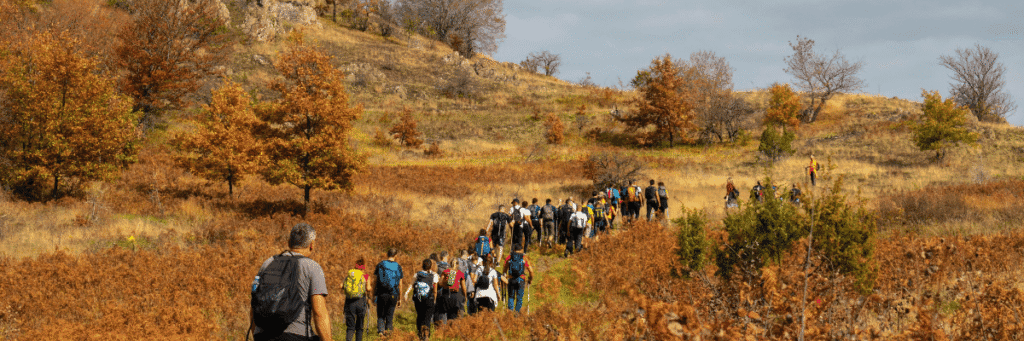
There’s also something special about meeting other women outside. We learn from one another—what worked, what didn’t, which trail we’d do again, and yes, which layer we immediately regretted wearing. That shared experience makes outdoor spaces feel more familiar and helps more of us feel like we belong there.
What’s one piece of fall hiking gear you reach for every single year?
Layer Up, Head Out, and Let Fall Be Fall
You don’t need the perfect outfit before heading outside. Understanding what to wear hiking in fall is really about giving yourself options: a breathable layer against your skin, warmth you can add or remove, footwear you trust, and a little preparation for whatever the season decides to do.
Some mornings will be colder than expected. Some hikes will involve peeling off your fleece ten minutes in. And occasionally you’ll return to the car muddy, sweaty, and wondering how 55 degrees managed to feel like three separate seasons.
That’s part of it.
At Timber & Tides, we’re much more interested in building a life where adventure fits alongside work, workouts, family, coffee runs, and everything else than waiting for the perfectly planned outdoor day.
Grab your layers. Check the weather. Text a friend.
Fall is already waiting for us.