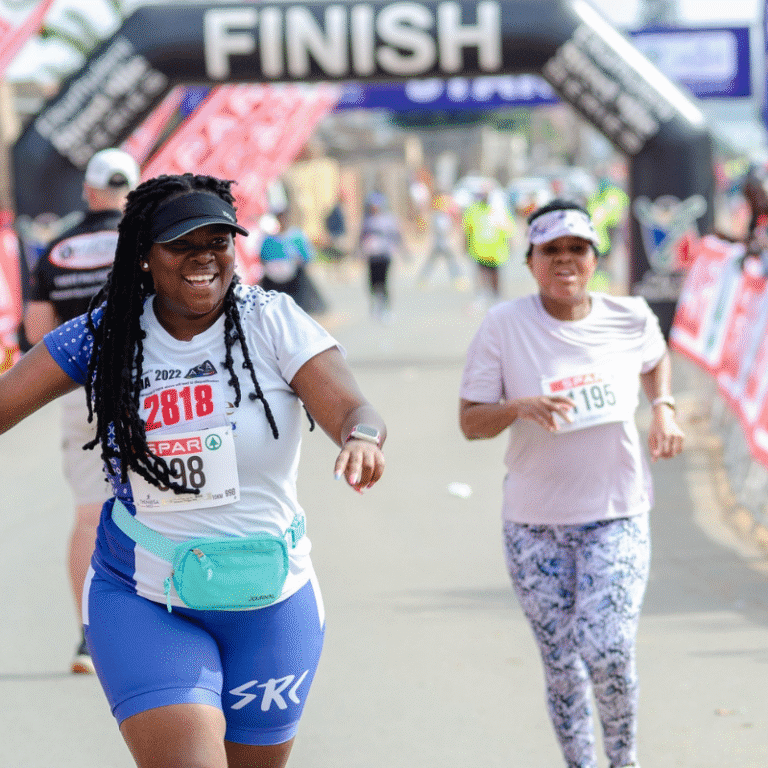

How to Build Running Endurance: A Smarter Way to Run Far
There’s a particular moment during a run when you realize your usual distance is starting to feel easier. The hill that once left you breathless feels manageable. You finish your route with energy to spare. Maybe you’re even curious about adding another mile.
Learning how to build running endurance is about creating more of those moments. It’s the gradual process of helping your body become comfortable running longer, without making every workout feel like a test of your limits.
Whether you’re working toward your first uninterrupted 5K, returning after a break, or hoping to tackle a longer race, endurance develops through consistent effort, smart recovery, and a willingness to slow down.

How to Build Running Endurance Without Running Harder
One of the most common mistakes runners make is assuming every run should feel challenging. But running faster and running farther are different goals, and building endurance often means spending more time at a comfortable pace.
Easy running helps develop aerobic fitness, allowing your body to become more efficient at sustaining activity over time.
A useful guideline is the conversational pace test. During most endurance-building runs, you should be able to speak in complete sentences without struggling for breath.
If you’re constantly checking your watch to maintain a certain speed, try shifting your attention toward how your body feels instead.
Walk breaks are equally valuable. Alternating running and walking can help newer runners gradually increase their total time moving without becoming overly fatigued.
For example, try running for four minutes and walking for one minute over a 30-minute session. As your fitness improves, you can adjust those intervals. Incorporating walking into your running routine can be a useful training strategy.
The goal isn’t necessarily to eliminate walking. It’s to develop the stamina and confidence to cover more distance comfortably.
Build a Weekly Routine That Supports Progress
Understanding how to build running endurance also means recognizing that consistency matters more than occasional ambitious workouts.
For many recreational runners, three running days per week provide a practical starting point. More experienced runners may benefit from additional sessions, but extra mileage isn’t automatically better.
A manageable weekly routine might look like this:
- Tuesday — Easy run: 25–35 minutes at a conversational pace.
- Thursday — Comfortable run: 20–30 minutes, keeping the effort relaxed.
- Saturday — Long run: 35–50 minutes, depending on your current fitness.
- Sunday — Optional recovery: Gentle walking, mobility work, or complete rest.
These are examples, not mandatory targets. Beginners can start with shorter run-walk sessions, while experienced runners can adapt the duration to their established training.
Your long run is where much of your endurance-building progress happens. Rather than dramatically increasing the distance each weekend, add a small amount of time when your current distance feels manageable.
If your longest comfortable run is 40 minutes, you might try 45 minutes the following week. If you’re unusually tired or sore, maintain your current distance or shorten the session.
For runners wondering how to build running endurance while managing unpredictable schedules, protecting two or three consistent sessions is often more realistic than following an elaborate training calendar.
Strength, Fuel, and Recovery Make Longer Runs Possible
Running is only one part of improving endurance. Supporting your body between workouts can make longer distances feel more comfortable.
Strength training helps develop the muscles that support running mechanics, particularly your glutes, calves, hamstrings, and core.
Two short sessions per week can be a practical addition. Exercises such as squats, step-ups, calf raises, and single-leg balances can be adapted to different experience levels.
While not the end all be all, the CDC’s physical activity recommendations also emphasize combining aerobic activity with muscle-strengthening exercise.
Fueling matters, too.
For shorter, comfortable runs, normal meals and adequate hydration may be sufficient. As your runs become longer, consider how meal timing, carbohydrates, and fluid intake affect your energy.
For runs extending beyond approximately 60–90 minutes, many runners benefit from carrying carbohydrates and planning hydration according to weather, intensity, and individual needs.
The REI guide to running nutrition offers helpful information about fueling before, during, and after longer workouts.
A few practical products can make those longer sessions easier:
The Nathan QuickSqueeze Handheld Water Bottle offers a convenient way to carry water without wearing a hydration vest.
The SPIbelt Original Running Belt provides lightweight storage for essentials like your phone, keys, and running fuel.
For longer efforts, Honey Stinger Organic Energy Chews offer portable carbohydrates that can be consumed during a run. Experiment with fueling during training rather than introducing something unfamiliar on race day.
Recovery deserves equal attention.
Sleep, rest days, and adequate nutrition allow your body to adapt to training. Persistent soreness, unusual fatigue, or declining performance may indicate that your workload needs adjusting.
When exploring how to build running endurance, remember that progress happens through the combination of training and recovery, not training alone.
Make Room for the Miles That Matter
One of the most rewarding parts of learning how to build running endurance is discovering that running can become something you look forward to rather than another obligation.
Choose routes that make the experience enjoyable. Explore a quiet neighborhood, run along the waterfront, or meet a friend for a relaxed weekend loop.
Some days, leave the headphones behind and notice your surroundings. Other days, enjoy your favorite playlist or conversation with a running partner.
You can also measure progress beyond distance. Maybe your breathing feels steadier, your recovery is quicker, or a familiar route requires less effort.
Those changes matter.
If you’re wondering how to build running endurance over the coming months, start with one achievable adjustment: slow down your easy runs, establish a consistent weekly schedule, or gradually extend a comfortable long run.
Give yourself time to adapt, and remember that recurring pain or concerning symptoms deserve attention rather than being pushed through.
Running farther opens possibilities, from exploring new places on foot to joining friends for a race or simply enjoying an extra mile on a beautiful morning.
At Timber & Tides, that’s the kind of progress worth celebrating: movement that supports a fuller, more adventurous life.
What’s one running distance or experience you’d love to feel more comfortable tackling?