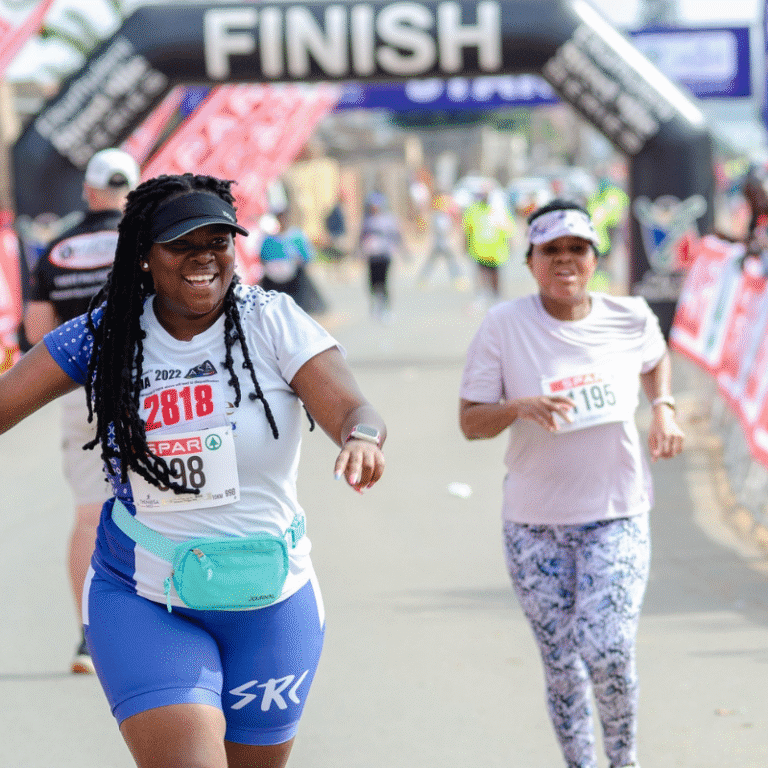

Half Marathon Training Reflections That Build Strength
There’s a moment after every long run when we pause—hands on knees, breath still catching—and wonder if we’re actually getting stronger or just surviving. Half marathon training reflections often begin right there, in the quiet space between effort and doubt. For many of us, especially balancing work, family, and everything in between, training isn’t linear. It’s layered with emotion, weather shifts, safety considerations, and the constant question: am I doing enough?
What we’ve learned is this—progress doesn’t always look like pace improvements. Sometimes, it looks like showing up again.

What Half Marathon Training Reflections Teach Us About Progress
Half marathon training reflections aren’t just about miles logged or race times. They’re about noticing patterns, both physical and mental.
We start to see that consistency matters more than perfection. Missing one run doesn’t undo weeks of effort. Pushing through exhaustion, however, can. Listening to our bodies becomes a skill, not a weakness.
A few practical ways to reflect and adjust:
- Track how you feel after runs, not just your pace
- Notice recurring soreness or fatigue and adjust accordingly
- Celebrate non-scale victories like confidence, endurance, and mental clarity
If you haven’t already, explore our guide to building long term fitness habits to support a more sustainable training rhythm that works with your life, not against it.
Building Strength Beyond Pace
One of the most powerful half marathon training reflections is realizing that strength shows up in unexpected ways. It’s not always about getting faster. It’s about getting steadier.
We become stronger when we:
- Run hills even when they intimidate us
- Choose rest days without guilt
- Learn proper fueling before and after runs
Strength training also plays a critical role here. Incorporating just two sessions per week can improve endurance and reduce injury risk. Simple movements like squats, lunges, and core work build a foundation that carries us through longer distances. Currently, we are following a runner based lifting program from Relentless Runners. It’s been a game changer
Gear can support this strength too. Consider:
- Altra Escalante 4 Running Sneakers with lighter weight and good flexibility on long runs
- Resistance loops for light warm ups and light strength work before walks or runs
- Maurten Drinkflask for easy hydration and flexible storage while running
These tools aren’t about performance pressure—they’re about making our runs feel more supported and sustainable.
Navigating Safety, Confidence, and Solo Runs
For many women, half marathon training reflections include navigating the reality of running alone. Safety isn’t something we can ignore—it’s something we plan for.
Confidence grows when we take proactive steps:
- Share your route with a friend or use location tracking apps
- Run during daylight hours when possible
- Wear reflective gear and avoid isolated areas
But beyond logistics, there’s a deeper layer. Running solo builds a quiet kind of confidence. It’s in those miles alone that we learn to trust ourselves.
If you’re working on this, discover gear designed for women that prioritizes both comfort and safety, helping you feel prepared without overthinking every step.
Creating a Rhythm That Works for You
Training plans are helpful, but they aren’t one-size-fits-all. One of the most important half marathon training reflections is recognizing when to adapt.
Your schedule, energy levels, and even your cycle can influence performance. Instead of forcing rigid structure, we can build a rhythm:
- Prioritize one long run per week
- Include one shorter, intentional workout (tempo or hills)
- Fill the rest with easy movement or rest
This flexible approach allows us to stay consistent without burnout. It also makes space for life—because life doesn’t pause for training.
Related keywords like endurance training tips and running mindset strategies often focus on discipline, but true discipline includes rest, adaptability, and self-awareness.
The Mental Shift That Changes Everything
At some point in training, something shifts. We stop asking “Can I do this?” and start thinking “I am doing this.”
That mindset shift is one of the most valuable outcomes of half marathon training reflections. It carries beyond running—into work, relationships, and how we show up for ourselves.
We begin to trust the process. We understand that progress isn’t always visible day-to-day, but it’s happening.
And maybe most importantly, we start to enjoy it.
Because yes, it’s hard. But it’s also empowering to move our bodies through outdoor spaces, to claim that time as ours.
Community, Even When You’re Running Solo
Even when we train alone, we’re not doing this alone. There’s a growing community of women showing up for themselves in the outdoors, redefining what strength and endurance look like.
Half marathon training reflections often bring us back to this shared experience. The early mornings, the weather battles, the small wins—they connect us.
Whether it’s through local run groups, online communities, or simply knowing others are out there on the same journey, that sense of belonging matters.
So here’s something to think about: what part of your training has surprised you the most so far?
Moving Forward With Purpose
As we continue, let’s carry these half marathon training reflections with us—not as pressure, but as perspective. We don’t need perfect runs or perfect plans. We need consistency, self-trust, and a willingness to keep going.
At Timber & Tides, we believe in supporting that journey—not just with gear, but with stories, resources, and a community that understands what it means to show up.
If you’re looking for your next step, explore our latest outdoor guides or sign up for our newsletter that’s coming soon for weekly inspiration, training insights, and curated gear that meets you where you are.
Because every mile we run is more than distance—it’s a reflection of who we’re becoming.