
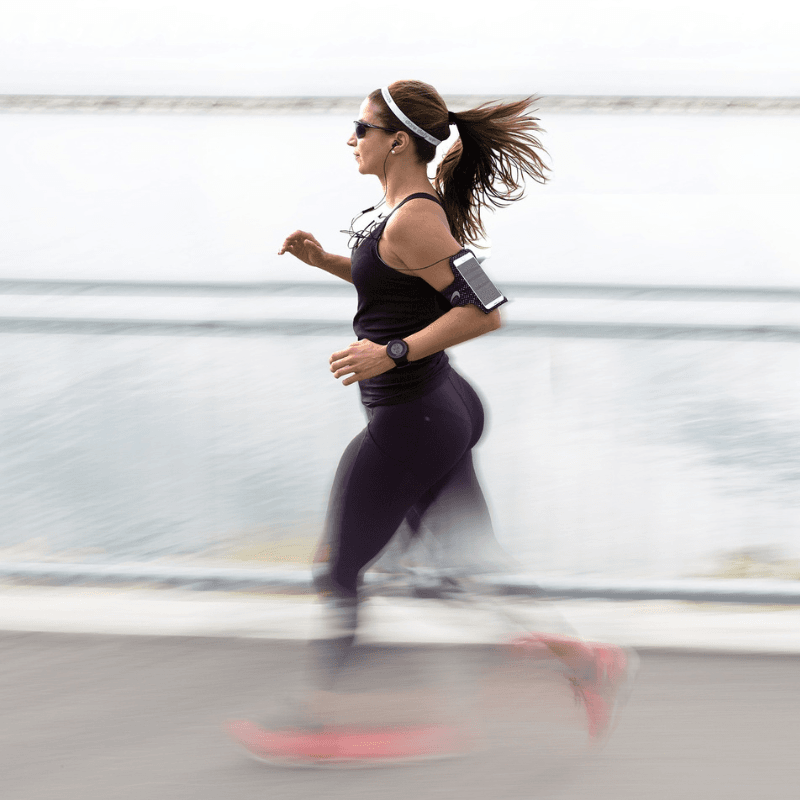
Intuitive Fitness Tracking for Stronger Outdoor Women
We’ve all been there—staring at a watch, an app, or a perfectly structured training plan, wondering why our bodies aren’t keeping up with the numbers. Maybe your pace felt off, your energy dipped halfway through a trail run, or your motivation disappeared despite “doing everything right.” This is where intuitive fitness tracking becomes a powerful shift. Instead of forcing ourselves into rigid metrics, we begin to listen, adapt, and trust our bodies while still making meaningful progress outdoors.
Intuitive fitness tracking isn’t about abandoning structure altogether. It’s about blending data with self-awareness so we can train in a way that actually supports our lives, cycles, energy, and goals. For women especially, this approach can be the difference between burnout and longevity in our outdoor fitness journeys.
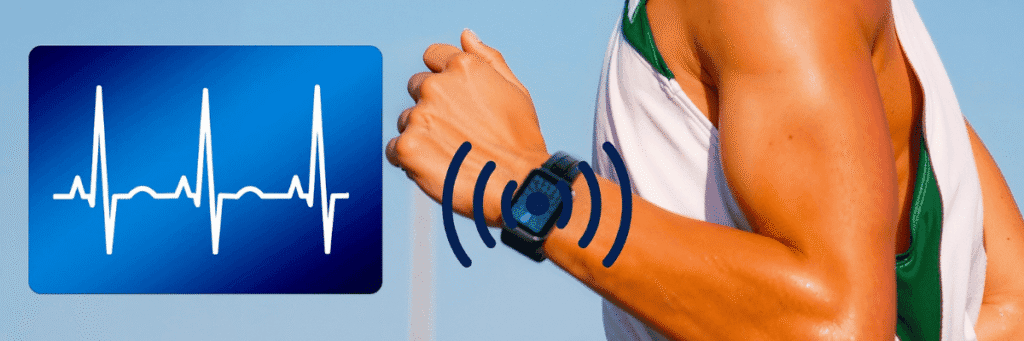
What Is Intuitive Fitness Tracking (and Why It Works)
At its core, intuitive fitness tracking means using your body as your primary guide and metrics as supportive tools—not the other way around. It acknowledges that factors like hormones, sleep, stress, and even safety considerations impact performance more than a single number ever could.
Instead of asking, “Did I hit my pace goal?” we start asking, “How did that effort feel?” or “What does my body need today?”
This approach works because it builds consistency. When we honor how we feel, we’re more likely to stay active long term—whether that’s training for a half marathon, hiking new trails, or simply moving for mental clarity. If you’ve ever felt discouraged by strict plans, this method creates space for flexibility without losing momentum.
How to Practice Intuitive Fitness Tracking Outdoors
Shifting into intuitive fitness tracking doesn’t require a complete overhaul. It’s about layering awareness into what you’re already doing.
Start with these simple, practical steps:
- Rate your effort, not just your pace
Use a 1–10 scale to measure how hard a workout feels. A run that feels like a 6 might be more valuable than forcing a “faster” pace that pushes you to a 9. - Check in before you start
Ask yourself: How is my energy today? Did I sleep well? Am I mentally present? This quick pause helps guide your workout intention. - Adjust in real time
If your legs feel heavy or your breathing is off, give yourself permission to slow down, walk, or shorten the session. Progress isn’t lost—it’s protected. - Track patterns, not perfection
Instead of obsessing over one workout, notice trends over weeks. When do you feel strongest? When do you need more recovery? - Honor safety and environment
Weather, daylight, and location matter. Intuitive tracking means choosing routes and times that feel safe and aligned with your comfort level.
If you’re looking for a supportive tool, consider the Garmin Forerunner 265. It offers data like heart rate and recovery insights, but allows you to interpret those metrics in a way that fits your body—not dictates it.
Blending Data with Intuition (Without Overthinking It)
We don’t have to ditch technology to embrace intuitive fitness tracking. Instead, we learn how to use it wisely.
Think of your data as feedback, not judgment. Your watch might show a slower pace, but your body might be building endurance in ways the numbers don’t fully capture.
For example, heart rate can be a helpful anchor. If your heart rate is unusually high at an easy pace, it may signal fatigue, dehydration, or stress. That’s not failure—it’s information.
Tools like the WHOOP 4.0 band can also help highlight recovery trends, sleep quality, and strain levels, giving us a broader picture of how our lifestyle impacts performance. But again, the key is using these insights to support your intuition, not override it.
And sometimes, the most intuitive move is leaving the tech at home altogether. A trail walk without tracking can reconnect us to why we started in the first place.
Gear That Supports the Experience
Intuitive fitness tracking also means choosing gear that enhances comfort and confidence, especially for women navigating outdoor spaces.
The Halara Active Exercise Dress, for example, is a versatile option that transitions seamlessly from a walk to a workout, removing the pressure of “perfect” performance gear. When we feel comfortable, we’re more likely to move freely and intuitively.
We also want to consider practical needs—like pockets, proper fit, and layering—because discomfort can easily disconnect us from our bodies. If you haven’t yet, explore our guide to building a functional outdoor wardrobe that supports movement in every season.
Building Confidence Through Self-Trust
For many of us, intuitive fitness tracking is about more than workouts—it’s about rebuilding trust with our bodies.
Women are often taught to push through discomfort, ignore fatigue, or chase external validation. But outdoors, especially, that mindset can work against us. Listening to our instincts can keep us safer, more present, and more connected.
Whether it’s choosing a well-lit trail, adjusting your run time, or deciding to turn back earlier than planned, those decisions matter. They aren’t signs of weakness—they’re signs of awareness and strength.
As we grow in this practice, we also create space for others. When we share our experiences openly, we help normalize a more sustainable, supportive approach to fitness. That’s how community is built—through honesty, not perfection.
If you’re craving connection, discover gear designed for women who move outdoors and embrace this mindset together.
A Different Kind of Progress
Intuitive fitness tracking invites us to redefine progress. It’s no longer just about distance, pace, or calories burned. It’s about how we feel, how we recover, and how consistently we show up for ourselves.
So here’s something to reflect on: What would your fitness routine look like if you trusted your body more than your watch?
As we continue exploring trails, training for races, or simply carving out time to move, let’s remember that our bodies are not machines—they’re guides. And when we learn to listen, we don’t just perform better—we enjoy the journey more.
At Timber & Tides Collective, we believe in supporting that journey with resources, community, and thoughtfully designed pieces that move with you. If you’re ready to deepen your connection to movement, explore more of our outdoor guides or join our community for weekly inspiration designed for women like us.